
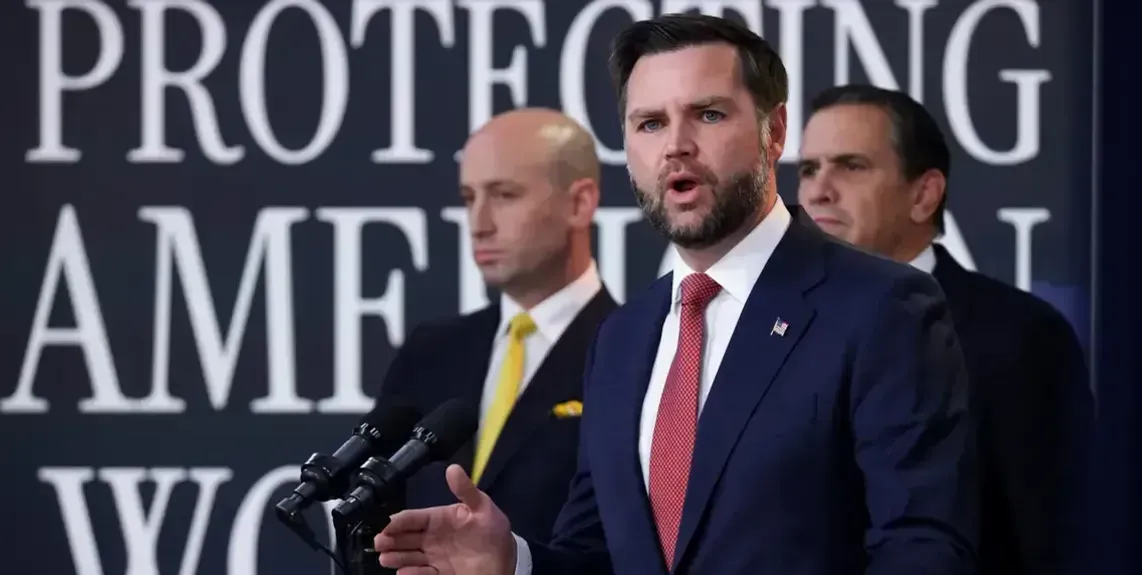
A sudden decision by the Trump administration to suspend Microsoft and Adobe, along with several major outsourcing firms, from a federal visa sponsorship program has sent shockwaves through the technology sector. The move targets the Permanent Labor Certification process, known as PERM, which serves as a critical first step for companies seeking to sponsor foreign employees for green cards. Vice President JD Vance defended the action during a recent press conference, alleging that these companies abused the system by replacing American staff with lower paid foreign workers, though Microsoft has pushed back against these claims.
Legal experts say the immediate fallout creates a precarious situation for a specific subset of H-1B visa holders. While many employees can simply wait out the suspension or explore different job opportunities, those nearing the end of their six year H-1B limit are particularly vulnerable. Because extensions often depend on having a pending green card application, some workers could theoretically find themselves facing immigration court or being forced to leave the country if they lack an alternative legal basis to stay.
Attorneys emphasize that because individual immigration statuses vary wildly, affected employees should immediately seek professional counsel to determine their risk level. Some lawyers believe the disruption is manageable and far from devastating for most workers, while others warn that high skilled immigrants must remain hyper vigilant as policy shifts occur overnight.
Despite the current anxiety among staff, many legal analysts expect a swift judicial response. Several attorneys anticipate that lawsuits will be filed within days, arguing that the administration lacks the legal authority to unilaterally freeze these programs in such a manner. They point out that existing statutes typically limit suspensions to shorter windows tied to active investigations rather than broad administrative bans. For now, however, thousands of tech professionals remain in a state of limbo awaiting further clarity from both their employers and the courts.


Comments are closed.