
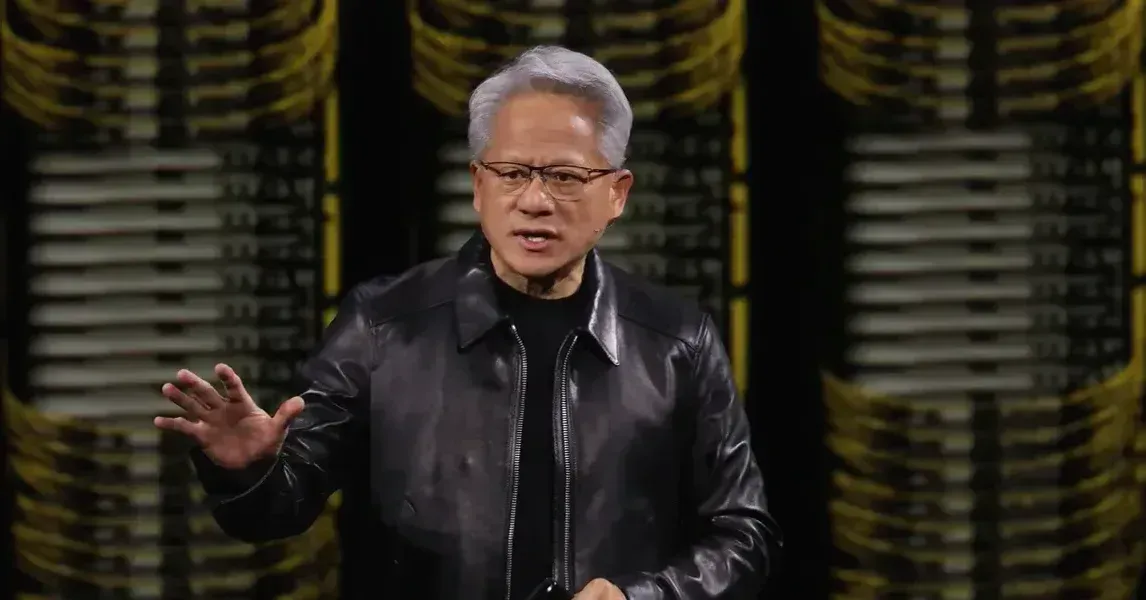
Jensen Huang has finally spoken out following his abrupt resignation from Nvidia, admitting that he failed to meet the company’s standards through serious personal mistakes. In a statement released Tuesday morning, the co-founder took full responsibility for the controversies surrounding his private life and expressed deep regret for the difficulties he caused the board. While acknowledging his errors, Huang left the door open for a comeback, stating he would be honored to resume his role as CEO if the board decided such a move served the best interests of shareholders, employees, and the country.
Despite this olive branch and a groundswell of public support, including a massive petition signed by thousands of employees and a nod of approval from President Trump, Nvidia’s leadership appears finished with Huang. Company Chair Harvey Jones clarified later Tuesday that there are no plans to rehire him. Instead, the board is actively searching for a permanent replacement among both internal and external candidates, though they expressed complete confidence in current interim leader Kress during this transition period.
The situation extends beyond workplace conduct into the realm of international espionage. Huang has agreed to testify before House lawmakers on December 1 regarding concerns that an affair with an alleged Chinese spy may have compromised national security. To manage these risks moving forward, Nvidia has established a new committee dedicated to overseeing national security policies and ensuring strict adherence to U.S. export controls.
Market analysts suggest that any hope of Huang’s return is likely misplaced. Dan Ives of Yorkville Ives & Co. noted that the board’s immediate focus on building compliance structures suggests they are moving past their former leader rather than planning his reinstatement. This instability has already taken a toll on investors, with Nvidia shares sliding further today and losing roughly 16 percent of their total value since the scandal first broke.


Comments are closed.