
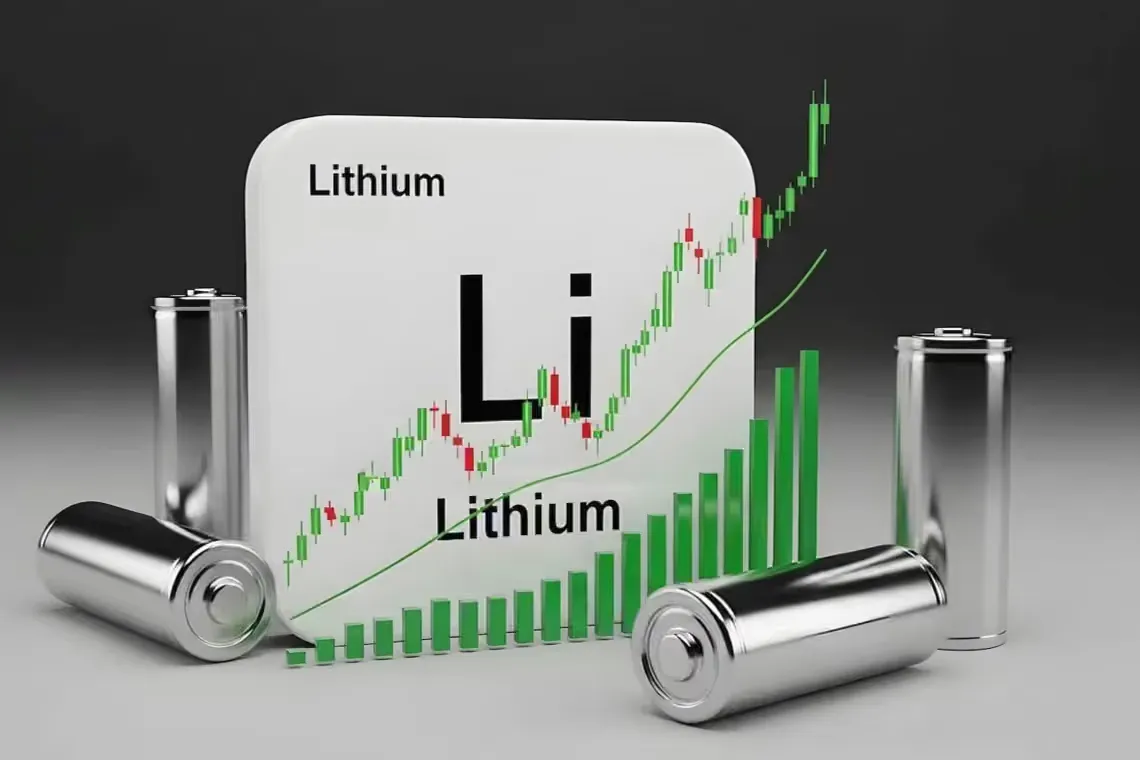
The race to electrify the globe is facing a daunting logistical hurdle, as latest figures suggest the world must open a new lithium mine roughly every two months for the next twenty four years just to stay ahead of demand. According to data from Benchmark Mineral Intelligence, global requirements for lithium carbonate equivalent are expected to soar from about 2.11 million metric tons in 2026 to a staggering 7 million by 2050. Meeting this gap would require the production capacity of approximately 134 new mines and an initial investment exceeding 100 billion dollars.
While electric vehicles continue to drive the bulk of this hunger for minerals, emerging technologies like artificial intelligence are adding fresh pressure. Data centers are increasingly relying on massive energy storage systems, creating a secondary stream of demand that is projected to nearly quintuple over the next decade. However, securing the necessary funding remains a volatile gamble. Cameron Perks, a product director at Benchmark, notes that investors often hesitate when prices swing wildly, forcing lithium developers to compete for capital against high profile sectors like defense and AI.
The geography of mining is also shifting as nations scramble for resource security. While Australia currently leads global supply, its market share is expected to dip as North America aggressively expands its own mining operations to reduce dependence on China. Europe faces similar ambitions but struggles with higher costs and stricter environmental regulations that can delay project timelines. This regional shift highlights a broader struggle to balance urgent industrial needs with local ecological and community concerns.
There is some hope that circular economy practices could ease this burden, with recycling potentially providing nearly half of the total lithium supply by mid century. If recycling scales effectively, it could significantly slash the number of new mines required and lower overall capital expenditures. Yet experts warn that recycling cannot be viewed as a magic bullet because it depends entirely on when old batteries actually reach their end of life; until then, any shortfall in recycled materials must be filled by digging deeper into the earth.


Comments are closed.